

Be Safe Online
Measures to Protect Our Customers
Security is a vital component of our business. Our website has a SSL (Secure Sockets Layer) Certificate which confirms that all pages are encrypted before being transmitted over the Internet to you. This means that it is very difficult for unauthorised people to view any information that you provide over the Internet or via any network that you are using. This results in a secure connection and helps to provide the best possible data protection available.
Credit and debit card payment facilities are provided by our processing partners Trust Payments. When using this facility you will be automatically transferred to the secure payment portal, ensuring that you provide your payment details in an ultra-safe, secure environment. We do not see, process or store your payment card details.
A Rising Threat
Coronavirus lockdowns have been widely abused globally by online fraudsters to target huge numbers of unsuspecting people, with the intention of acquiring personal information including login details and passwords.
Many reports of 'Phishing' attacks have been reported and it is suspected that such activity has increased six-fold during the current crisis.
Phishing Attacks
So what is Phishing? This term is used to describe a situation where fraudsters attempt to trick people into revealing personal information that is then used to commit crime. Such Phishing Attacks generally take the form of emails that appear to come from a trusted source and encourage the recipient to enter personal information or to open an attachment that contains malicious code that will search a computer for information and passwords.
Take Care on Social Media
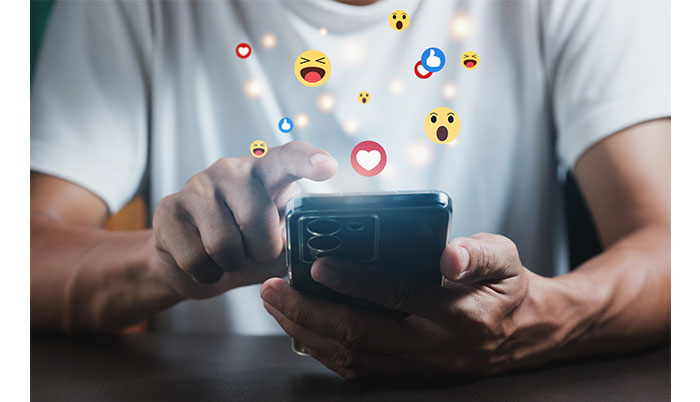
Social media has also experienced an increase in activity by fraudsters. Seemingly harmless quizzes or competitions may be used to gather data such as mother's maiden name, date of birth, pet's name and so on. In other words, the passwords that many of us use during web-based transactions and interactions!
Take Action
Remain vigilant is the best advice. Never reveal personal information or passwords in response to an email, no matter who you think is the sender. Reputable companies will never ask for this type of disclosure.
Do not open email attachments unless you are sure of the sender and content.
Avoid using the same login details and password on multiple websites and make sure that you reset your passwords from time to time.
As our day to day lives become more reliant on and more entwined with our online presence, it is vital that we all realise that there are fraudsters and other criminals that also inhabit those online spaces and we need to adjust our behaviour at times in order to remain safe and secure.